If you frequently feel mucus running down the back of your throat, the problem may originate in your nose or sinuses.
Saline nasal rinses can help wash away mucus, allergens, and other particles from the nasal passages.
They may be particularly useful for people experiencing allergies or nasal congestion.
However, water safety is extremely important.
Always use commercially prepared sterile saline or water that has been distilled, sterile, or boiled and cooled.
Never use untreated tap water for nasal irrigation.
Clean and dry the rinsing device according to its instructions after every use.
If symptoms persist or worsen, consult a healthcare professional.
9. Avoid Smoking and Other Airway Irritants
One of the most important steps for maintaining respiratory health is avoiding cigarette smoke.
Smoking irritates the airways and damages the tiny structures responsible for moving mucus out of the lungs.
This can make it harder for the respiratory system to clear secretions.
Secondhand smoke can also irritate the respiratory tract.
Other potential irritants include:
Dust.
Strong cleaning chemicals.
Air pollution.
Perfumes and aerosol sprays.
Industrial fumes.
Indoor mold.
If you frequently experience mucus and coughing, reducing exposure to these substances may help improve your respiratory comfort.
10. Does the Color of Your Mucus Tell You Something?
Many people become worried when their mucus changes color.
Clear mucus is often associated with normal respiratory secretions or allergies.
Yellow or green mucus may appear during respiratory infections because of the activity of immune cells.
However, green or yellow mucus does not automatically mean that you have a bacterial infection or need antibiotics.
White mucus may occur with congestion, while brown or blood-streaked mucus can have several possible causes.
The color alone cannot reliably identify the underlying condition.
Pay attention to other symptoms, including fever, breathing difficulties, chest pain, and how long the illness lasts.
If you cough up blood, seek medical evaluation promptly. Significant bleeding or blood accompanied by severe breathing difficulty requires emergency attention.
11. When Is Chest Mucus a Warning Sign?
Most mucus associated with ordinary respiratory infections improves as the body recovers.
However, persistent or severe symptoms should not be ignored.
Contact a healthcare professional if you experience:
A cough lasting longer than three weeks.
Persistent or recurring fever.
Increasing chest congestion.
Wheezing.
Pain when breathing.
Unexplained weight loss.
Repeated respiratory infections.
Thick mucus accompanied by worsening symptoms.
People with asthma, chronic obstructive pulmonary disease, or other existing lung conditions should follow their individual treatment plans and seek advice when symptoms change.
Seek emergency medical assistance if you experience severe difficulty breathing, blue or gray lips, confusion, or severe chest pain.
12. Five Everyday Habits That Support Respiratory Health
You do not need expensive detox drinks or complicated cleansing routines to support your respiratory system.
Several everyday habits can make a meaningful difference.
1. Stay hydrated
Drink enough fluids throughout the day to maintain normal hydration.
2. Eat a balanced diet
Include fruits, vegetables, whole grains, and protein sources to provide nutrients that support normal immune function.
3. Get enough sleep
Sleep plays an important role in maintaining general health and supporting the body’s immune defenses.
4. Keep indoor air clean
Reduce exposure to smoke, dust, mold, and irritating chemicals.
5. Stay physically active
Regular physical activity supports cardiovascular and respiratory fitness. Choose an appropriate level of activity, especially if you are recovering from an illness.
13. Why You Should Be Careful With Viral Mucus-Cleansing Recipes
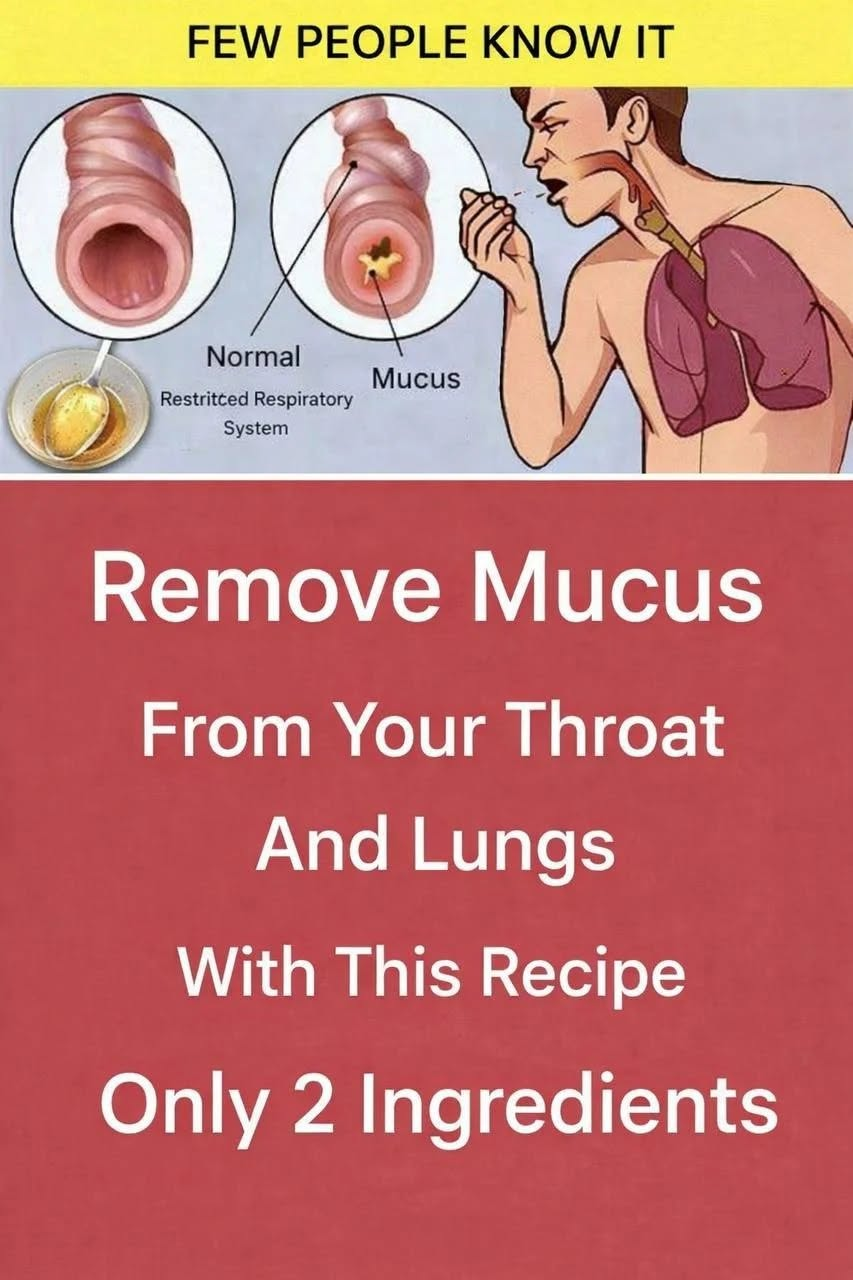
Social media is full of recipes promising to remove mucus from the throat and lungs using only two ingredients.
Although some traditional drinks can soothe an irritated throat, claims that a particular mixture can completely clean the lungs are misleading.
Your respiratory system already has natural mechanisms for removing mucus and trapped particles.
The tiny cilia lining the airways help move mucus toward the throat, where it can be swallowed or coughed out.
A home drink cannot replace these mechanisms, eliminate a lung infection, or reverse damage caused by smoking.
Be especially careful with recipes containing excessive amounts of vinegar, essential oils, strong spices, or other irritating substances.
Inhaling essential oils or adding them to hot water is not a proven treatment for lung congestion and may irritate sensitive airways.
The safest approach is to use gentle remedies for temporary comfort while addressing the actual cause of persistent symptoms.
Final Thoughts: Support Your Respiratory System Without Falling for Miracle Claims
Mucus is a normal and necessary part of your body’s defense system.
However, excessive mucus, persistent coughing, and throat irritation can make everyday activities uncomfortable.
A simple warm drink made with honey and lemon may soothe an irritated throat, while adequate hydration, saline nasal rinses, and avoiding smoke can help manage certain symptoms.
Remember that no two-ingredient recipe has been proven to remove mucus directly from your lungs or cure respiratory infections.
If your symptoms persist, become severe, or are accompanied by breathing difficulties, professional medical advice is essential.
Taking care of your respiratory health is not about finding a miracle cleansing drink. It is about understanding your symptoms, choosing safe supportive habits, and getting appropriate treatment when necessary.