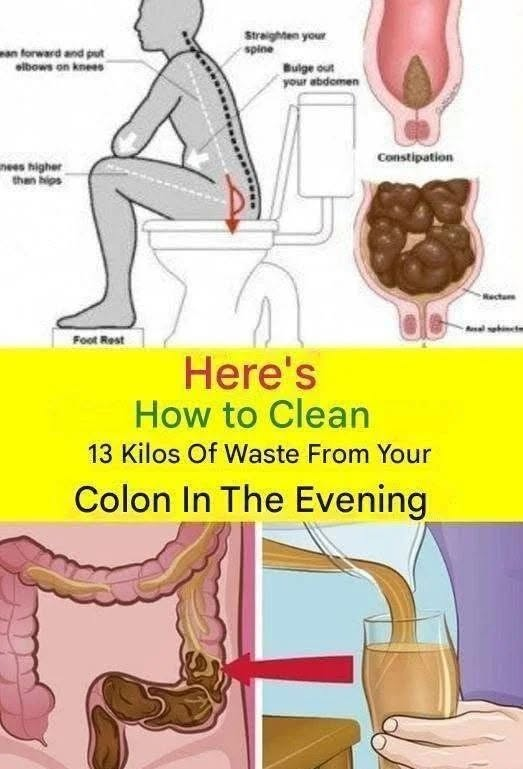
Constipation is a common digestive problem that can affect people of different ages.
Some people experience it occasionally, while others struggle with it regularly.
Generally, constipation involves having fewer bowel movements than usual, passing hard or dry stools, straining during bowel movements, or feeling that the rectum has not emptied completely.
Several everyday habits can contribute to the problem.
Not eating enough fiber
Dietary fiber helps add bulk to stool and supports regular bowel movements. When your diet contains too little fiber, stools may become harder and more difficult to pass.
Foods naturally rich in fiber include:
Apples and pears.
Oranges and berries.
Oatmeal and whole grains.
Lentils and chickpeas.
Beans and peas.
Broccoli and carrots.
Chia and flaxseeds.
Increasing fiber gradually can help prevent digestive discomfort.
Not drinking enough water
Your colon absorbs water from digestive waste. When your body does not receive enough fluids, stools can become dry and difficult to pass.
Drinking water regularly throughout the day helps support normal digestion.
Lack of physical activity
Movement encourages normal intestinal activity. Spending most of the day sitting may contribute to constipation in some people.
Even a short daily walk can help support digestive regularity.
Ignoring the urge to go to the bathroom
Repeatedly delaying bowel movements can make constipation worse.
When you feel the natural urge to use the bathroom, try not to ignore it.
Changes in routine
Travel, stress, changes in eating habits, and alterations in your daily schedule can temporarily affect bowel movements.
Certain medications and medical conditions can also cause constipation.
3. The Simple Bathroom Position That May Make Bowel Movements Easier
One of the most interesting features of the image is the illustrated toilet position.
Instead of sitting upright with your feet flat on the floor, the person places their feet on a small footrest, raising their knees above hip level.
This position can help some people pass stool more comfortably.
Why?
The rectum and pelvic floor muscles work together during bowel movements. When you sit on a standard toilet, the angle between the rectum and anal canal may make evacuation less straightforward for some individuals.
Raising your knees slightly can change the position of your pelvis and help reduce the effort required to pass stool.
Here is how to try this position:
Sit comfortably on the toilet.
Place your feet on a stable, low footstool.
Raise your knees so they are slightly higher than your hips.
Lean your upper body gently forward.
Keep your back relaxed and avoid excessive straining.
Breathe slowly and allow your abdominal muscles to relax.
This position may make bowel movements easier, particularly for people who experience difficulty evacuating stool.
However, it is not a treatment for every cause of constipation, and it does not remove 13 kilograms of accumulated waste.
If you regularly need to strain or cannot empty your bowels comfortably, consider discussing the problem with a healthcare professional.
4. The Importance of Drinking Enough Water
Water is essential for almost every process in the body, including digestion.
During digestion, the large intestine absorbs water from the remaining food material. When stool becomes excessively dry, passing it can become uncomfortable.
Maintaining adequate hydration can help support softer stools and normal bowel movements.
A few simple habits can make a difference:
Drink water regularly throughout the day.
Include water-rich foods in your meals.
Drink more when exercising or spending time in hot weather.
Pay attention to thirst and other signs of dehydration.
Increase fluid intake when recommended by your healthcare professional.
Water alone does not cure every type of constipation. However, staying adequately hydrated is an important part of maintaining digestive health.
People with certain heart or kidney conditions may have specific fluid restrictions, so they should follow their medical advice rather than automatically increasing their water intake.
5. Five Foods That Naturally Support Healthy Digestion