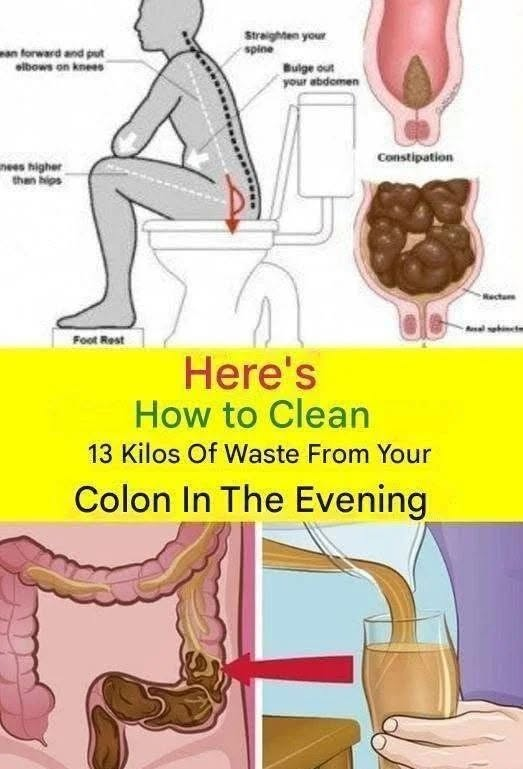
If you frequently experience constipation, establishing a consistent evening routine may help support better digestive habits.
You do not need to follow an extreme program or drink an unusual mixture before bed.
Instead, focus on a few practical habits.
Step 1: Eat a balanced dinner
Include vegetables, a source of protein, and whole grains when appropriate.
Examples include grilled chicken with vegetables, lentil soup, or brown rice with cooked greens.
Step 2: Drink water
Make sure you are adequately hydrated throughout the day. You do not need to drink excessive amounts immediately before bedtime.
Step 3: Take a gentle walk
A short walk after dinner can support general digestive health and help you maintain an active lifestyle.
Step 4: Establish a regular bathroom schedule
Some people find it helpful to sit on the toilet at approximately the same time every day, particularly after breakfast when the digestive system is naturally more active.
Do not force a bowel movement if you do not feel the urge.
Step 5: Use a comfortable toilet position
If you struggle with bowel movements, try placing your feet on a small, stable footrest and leaning forward slightly.
Avoid prolonged sitting and excessive straining.
Step 6: Get enough sleep
Good sleep supports overall health, and maintaining a consistent sleep schedule can help establish regular daily routines.
8. When Should You Be Concerned About Constipation?
Occasional constipation is common and often improves with changes in diet, hydration, and physical activity.
However, persistent constipation should not always be treated as a simple lifestyle problem.
Sometimes it can be associated with medication side effects, thyroid problems, pelvic floor dysfunction, or other medical conditions.
Contact a healthcare professional if constipation continues despite reasonable self-care measures.
You should seek prompt medical attention if constipation is accompanied by:
Severe or persistent abdominal pain.
Vomiting.
Significant abdominal swelling.
Inability to pass gas.
Blood in your stool.
Unexplained weight loss.
Fever.
A sudden and persistent change in bowel habits.
These symptoms may indicate a problem that requires medical evaluation.
Do not attempt an aggressive home colon cleanse when experiencing severe abdominal pain, vomiting, or an inability to pass stool or gas.
9. The Biggest Mistake People Make When Trying to Clean Their Colon