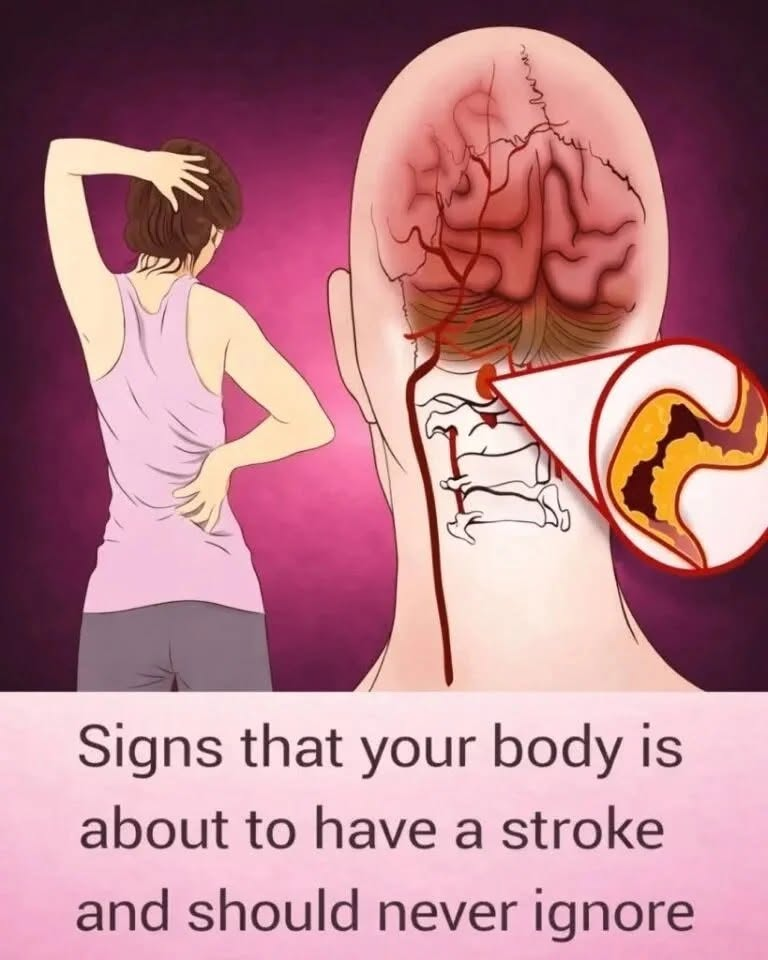
To understand why strokes are so dangerous, it helps to know how the brain receives oxygen.
The brain depends on a continuous supply of oxygen and nutrients delivered through blood vessels.
When blood flow is interrupted, brain cells begin to lose their ability to function normally.
There are two main types of stroke.
Ischemic Stroke
An ischemic stroke occurs when a blood vessel supplying the brain becomes blocked.
The blockage may develop because of a blood clot or the buildup of fatty material inside an artery.
Without sufficient blood flow, the affected brain tissue begins to suffer damage.
Ischemic strokes account for the majority of strokes.
Hemorrhagic Stroke
A hemorrhagic stroke occurs when a blood vessel ruptures and blood leaks into or around the brain.
This bleeding can damage surrounding brain tissue and increase pressure inside the skull.
High blood pressure is an important risk factor for this type of stroke.
Both types of stroke are medical emergencies, but their treatments are different.
This is one reason why emergency medical assessment and brain imaging are so important.
What Does the Artery Illustration in the Image Mean?
The image shows an artery with a narrowed interior and a buildup of material along its walls.
This is commonly associated with atherosclerosis.
Atherosclerosis develops when fatty deposits, cholesterol, inflammatory cells, and other substances accumulate within artery walls.
Over time, these deposits can narrow the blood vessel and interfere with normal blood flow.
If a plaque becomes unstable and ruptures, a blood clot may form at the affected location.
If a clot blocks an artery supplying the brain, it can cause an ischemic stroke.
Atherosclerosis can affect arteries in different parts of the body, including those supplying the heart, brain, and legs.
One particularly important location is the carotid arteries, which carry blood from the heart toward the brain.
Significant narrowing of these arteries can increase the risk of stroke.
However, atherosclerosis usually develops gradually and does not necessarily produce noticeable symptoms in its early stages.
This is why controlling cardiovascular risk factors is so important.
8. Six Important Risk Factors That Increase the Chances of Having a Stroke
Although strokes can affect people of different ages, certain health conditions and lifestyle factors increase the risk.
Understanding these factors can help people take preventive action.
1. High Blood Pressure
High blood pressure is one of the most important modifiable risk factors for stroke.
Over time, elevated pressure can damage blood vessel walls and increase the risk of both blocked and ruptured arteries.
Many people have high blood pressure without experiencing noticeable symptoms.
Regular blood pressure checks are therefore important.
2. High Cholesterol
Excessive levels of certain blood lipids can contribute to plaque formation inside arteries.
Over time, atherosclerosis may narrow blood vessels and increase the risk of cardiovascular disease and ischemic stroke.
A balanced diet, physical activity, and appropriate medical treatment can help manage cholesterol levels.
3. Diabetes
Diabetes can damage blood vessels over time, particularly when blood glucose levels remain poorly controlled.
People with diabetes also frequently have other cardiovascular risk factors.
Managing blood glucose, blood pressure, and cholesterol can help reduce complications.
4. Smoking
Smoking damages blood vessels and increases the risk of blood clots.
It can also contribute to atherosclerosis and other cardiovascular problems.
Quitting smoking is one of the most effective steps a person can take to improve long-term vascular health.
5. Heart Conditions
Certain heart conditions can increase stroke risk.
One important example is atrial fibrillation, an irregular heart rhythm that can allow blood clots to form inside the heart.
A clot may travel through the bloodstream and block an artery in the brain.
People with atrial fibrillation may need specific treatment to reduce this risk.
6. Physical Inactivity and Unhealthy Lifestyle Habits
A sedentary lifestyle can contribute to obesity, high blood pressure, diabetes, and other cardiovascular risk factors.
Regular physical activity, balanced nutrition, and maintaining a healthy weight can support long-term cardiovascular health.
What Should You Do If You Suspect Someone Is Having a Stroke?
Related Posts: