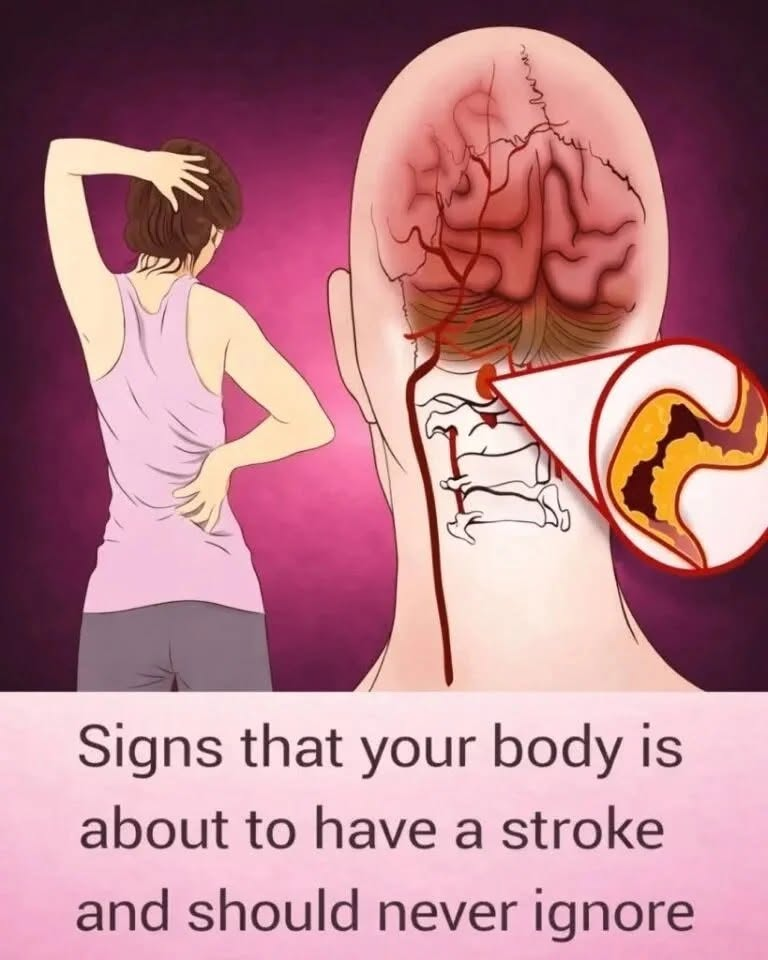
Knowing what to do during a stroke emergency can save a life.
Remember the acronym FAST.
F – Face
Ask the person to smile.
Does one side of their face droop?
A – Arms
Ask them to raise both arms.
Does one arm drift downward or fail to rise?
S – Speech
Ask them to repeat a simple sentence.
Is their speech slurred, strange, or difficult to understand?
T – Time
If you notice any of these symptoms, seek emergency medical assistance immediately.
Time is critical.
There are several additional precautions worth remembering:
Note the exact time symptoms began or when the person was last known to be well.
Do not allow the person to drive themselves to the hospital.
Do not give food, drinks, or oral medication if swallowing may be affected.
Do not give aspirin unless a medical professional specifically instructs you to do so, because some strokes involve bleeding.
Keep the person as comfortable and safe as possible while waiting for emergency assistance.
Even if symptoms disappear, emergency evaluation is still necessary.
Can a Stroke Be Prevented?
Not every stroke can be prevented, but many risk factors can be controlled.
Small changes made consistently can have a meaningful impact on cardiovascular health.
Here are several important preventive measures:
Monitor your blood pressure.
Know your numbers and follow medical advice if your blood pressure is elevated.
Control cholesterol levels.
Regular testing can help identify problems before they contribute to serious complications.
Manage diabetes.
Follow your treatment plan and monitor blood glucose as recommended.
Stop smoking.
Avoiding tobacco can significantly improve blood vessel health.
Stay physically active.
Aim for regular moderate activity, such as walking, cycling, or swimming, according to your abilities.
Eat a balanced diet.
Include vegetables, fruits, legumes, whole grains, and appropriate sources of protein.
Limit excessive salt, highly processed foods, and unhealthy fats.
Maintain a healthy weight.
A healthy weight can help improve blood pressure, blood glucose, and cholesterol levels.
Address heart rhythm problems.
If you have atrial fibrillation or another cardiovascular condition, follow your healthcare professional’s recommendations.
Final Thoughts: Never Ignore Sudden Changes in Your Body
A stroke can happen unexpectedly, and its symptoms do not always look the way people imagine.
Sudden weakness, facial drooping, speech difficulties, vision changes, severe headache, and loss of balance can all indicate a serious neurological emergency.
One of the most important things to remember is that stroke symptoms do not need to be severe to deserve immediate attention.
Even temporary symptoms that disappear within minutes can indicate a transient ischemic attack and require urgent assessment.
There is no reliable way to predict the exact moment a stroke will occur simply by looking at someone’s symptoms or body.
However, recognizing sudden neurological changes and understanding cardiovascular risk factors can help people respond faster and protect their health.
Remember: If you suspect a stroke, do not wait, do not sleep on it, and do not assume the symptoms will disappear. Call emergency services immediately. Every minute matters.